How Grant Street Community Is Preparing for the Future of the Boys & Girls Club
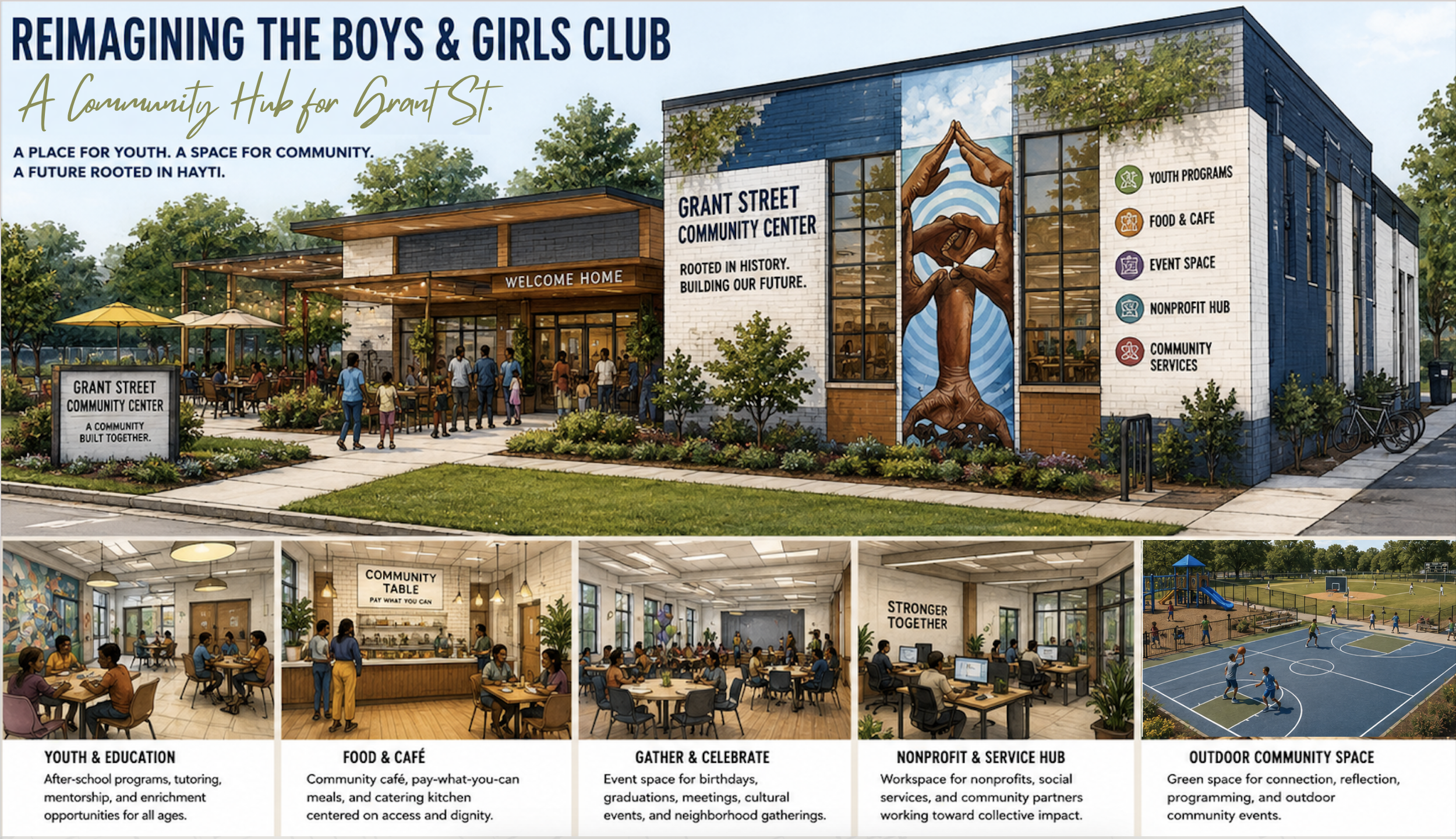
An early rendering of the Boys & Girls Club one-pager, designed as a starting point for ongoing refinement with residents, neighbors, and community partners.
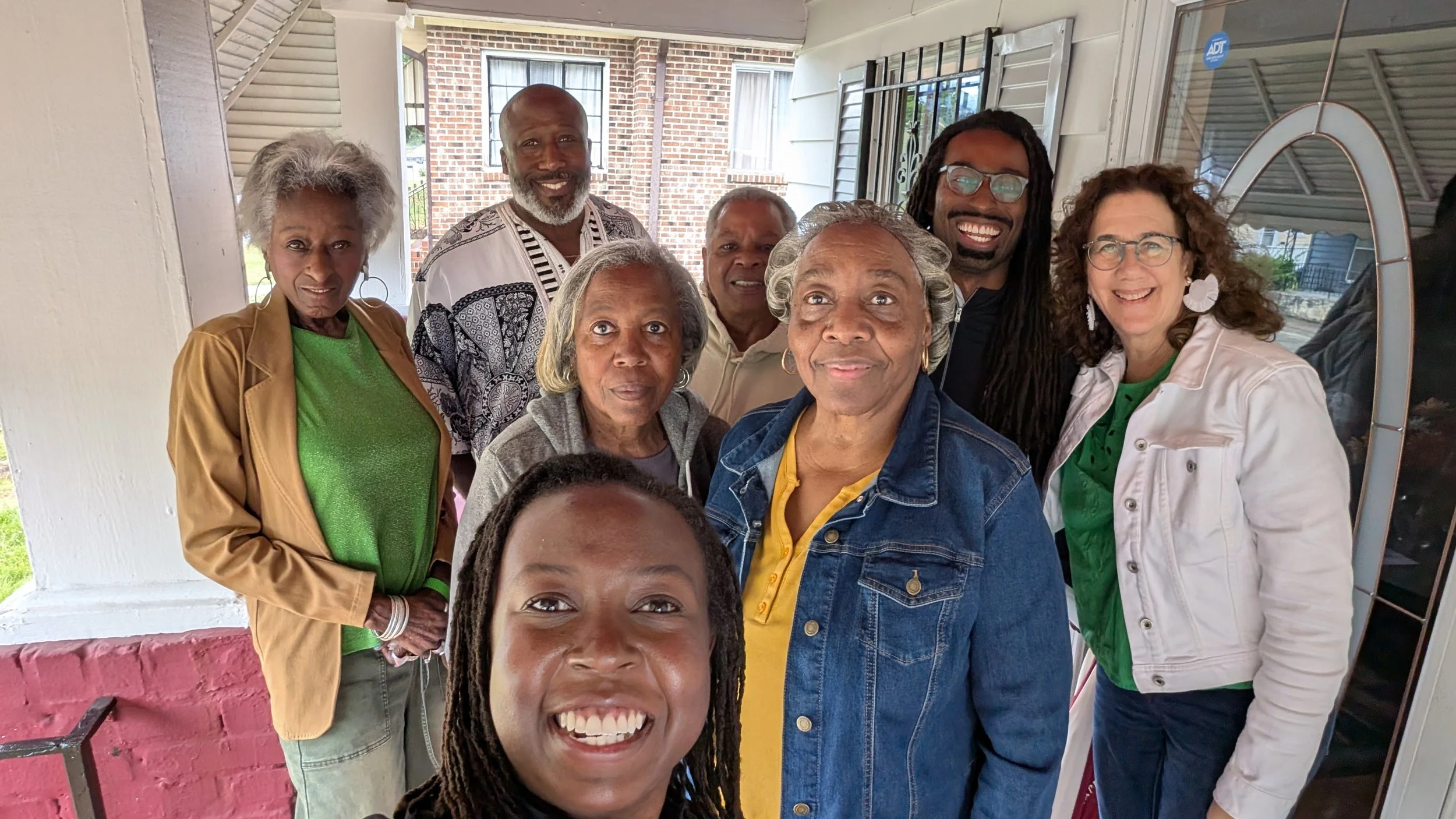
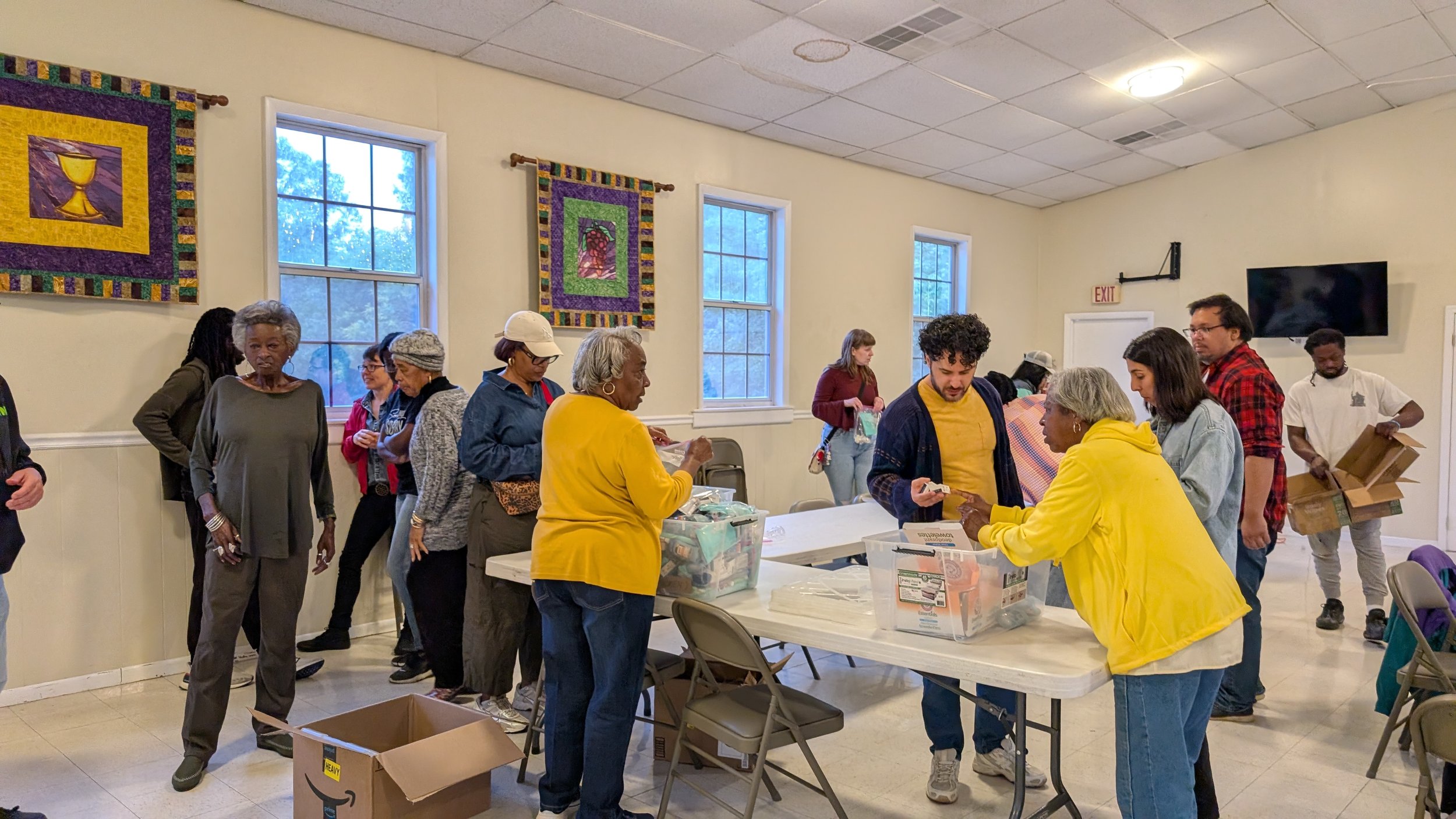
As the Grant Street Community prepares for the community hearing later this year regarding the future of the former Boys & Girls Club property, we've intentionally resisted the temptation to rush toward architectural plans or development proposals. Several months ago, Bishop Clarence Laney Jr., the Grant Street Ladies, and BLK South met with Durham County Commissioner Wendy Jacobs to discuss the potential acquisition of the long-abandoned property on our block. During that meeting, we shared a one-page document outlining an initial draft vision that had begun emerging from conversations with neighbors. Commissioner Jacobs later followed up to let us know that Durham County plans to hold a community hearing later this year to gather public input on the property's future. Since then, our neighborhood has been intentionally doing its due diligence—continuing to listen to residents, learn from organizations already serving Hayti, and build relationships with community partners—so that when that meeting takes place, the vision presented reflects the hopes, history, and priorities of the neighborhood itself.
That work has included neighborhood listening sessions, conversations with local leaders, meetings with potential development partners and investors, and ongoing efforts to build a coalition around a shared vision for the future of this important community asset.
Beginning with Wisdom
Before developing plans for the property, we intentionally sought the wisdom of organizations that have spent years investing in Black children, families, and neighborhoods.
We met with leaders from Communities In Partnership and Village of Wisdom to learn from their experience in community development, youth engagement, and resident-led planning. Those conversations reinforced an important principle: the neighborhood itself must remain the primary author of the vision.
Rather than arriving with predetermined answers, we've continued organizing listening sessions with residents and connecting with organizations throughout Hayti so that whatever ultimately emerges from the property is rooted in the lived experiences, hopes, and priorities of the people who call this neighborhood home.
Listening Before Designing
That commitment has shaped every step of the process.
As we've prepared for the possible acquisition of the property, Grant Street Community has been assembling a development team, cultivating relationships with potential investors, organizing the project's narrative, and conducting extensive neighborhood listening sessions to ensure the vision remains community-led.
Those conversations have consistently pointed toward several common themes.
Residents have expressed the need for publicly accessible gathering spaces where neighbors can celebrate milestones, host community events, enjoy arts and cultural programming, and strengthen relationships across generations. Others have emphasized the importance of improving food access, creating public places for youth, and ensuring that any future investment complements—not duplicates—the excellent work already being done by organizations throughout Hayti.
Just as importantly, our conversations with longtime residents have reminded us that the property's future cannot be separated from its past.
The Grant Street Ladies shared that before the Boys & Girls Club existed, this land was home to numerous Black families they knew personally who were displaced by urban renewal and highway construction. That history continues to shape how our neighborhood thinks about the site today and reinforces our commitment to honoring those stories as part of whatever comes next.
Another listening session will be had on Saturday, July 25th during our 4th Saturday community meetings.

Learning from Student U
As our vision has become clearer, we've intentionally reached out to organizations serving neighboring spaces to ensure we're building alongside—not in competition with—them.
One of those conversations was with Student U, whose team now stewards the historic WG Pearson Center.
We wanted to understand their long-term vision and ensure that any plans for the Boys & Girls Club property would strengthen the broader ecosystem of neighborhood organizations.
Student U shared that they are currently engaged in their own strategic planning process, exploring how the WG Pearson Center can continue serving young people while expanding its impact as a community resource.
After hearing about the ideas emerging from our listening sessions—including community gathering spaces, food access initiatives, youth opportunities, and permanent housing options for unhoused neighbors—Student U enthusiastically offered to support the project through letters of support, participation in future public hearings, introductions to additional partners, and continued collaboration as the vision develops.
Their encouragement affirmed that this project has the potential to complement the important work already taking place throughout Hayti.

Connecting the Vision to Hayti's Cultural Future
Most recently, we had the opportunity to meet with leaders from Hayti Heritage Center to explore how the Boys & Girls Club property might contribute to Hayti's broader cultural future.
Like every organization we've met with, they emphasized that neighbors—not institutions—should remain the primary decision-makers as the vision continues to develop.
The conversation explored ways arts and culture could become part of the project through flexible community spaces capable of hosting performances, rehearsals, concerts, celebrations, workshops, and other neighborhood gatherings. Rather than envisioning a traditional theater, they encouraged designing adaptable spaces that could support the creative life already flourishing within Hayti.
Beyond programming, we also discussed how the Boys & Girls Club property, Hayti Heritage Center, the community garden, public art, murals, Monument of Faith Church, and other neighborhood assets could become part of a connected, walkable cultural corridor that tells Hayti's story while welcoming future generations of residents and visitors.
Hayti Heritage Center also committed to supporting the project through future public advocacy, collaboration around fundraising, and continued coordination as both organizations pursue long-term investments in the neighborhood. Together, we discussed opportunities to tell a unified story to major donors and investors while working toward approximately $10 million in funding for the Boys & Girls Club project and complementary neighborhood investments.
Preparing for Development
Community vision must eventually become a buildable project.
To prepare for that next phase, we also met with Haven Design Build to better understand how thoughtful design can support a resident-led vision.
Rather than encouraging us to begin architectural work immediately, they affirmed that we're approaching the process in the right order: listening first, building partnerships, clarifying the vision, and assembling the right team before investing in formal design work.
When that time comes, Haven Design Build offered to help translate the community's vision into feasibility studies, conceptual designs, site analysis, and project budgets that can support fundraising and implementation. They also committed to standing alongside the project as technical partners throughout future planning efforts.
A Community-Led Future
Looking back over these conversations, a clear pattern has emerged.
Every organization we've met with has offered something different.
Communities In Partnership and Village of Wisdom helped ground us in the importance of resident-led visioning.
Student U helped ensure we're strengthening—not competing with—the neighborhood's existing ecosystem.
Haven Design Build provided the technical roadmap for turning community vision into reality.
Hayti Heritage Center helped connect the project to Hayti's history, arts, culture, and long-term identity.
We're grateful for every organization, resident, and neighbor who continues to lend their wisdom as this vision takes shape. The strongest community development begins by listening, grows through partnership, and succeeds when the neighborhood remains at the center of every decision.
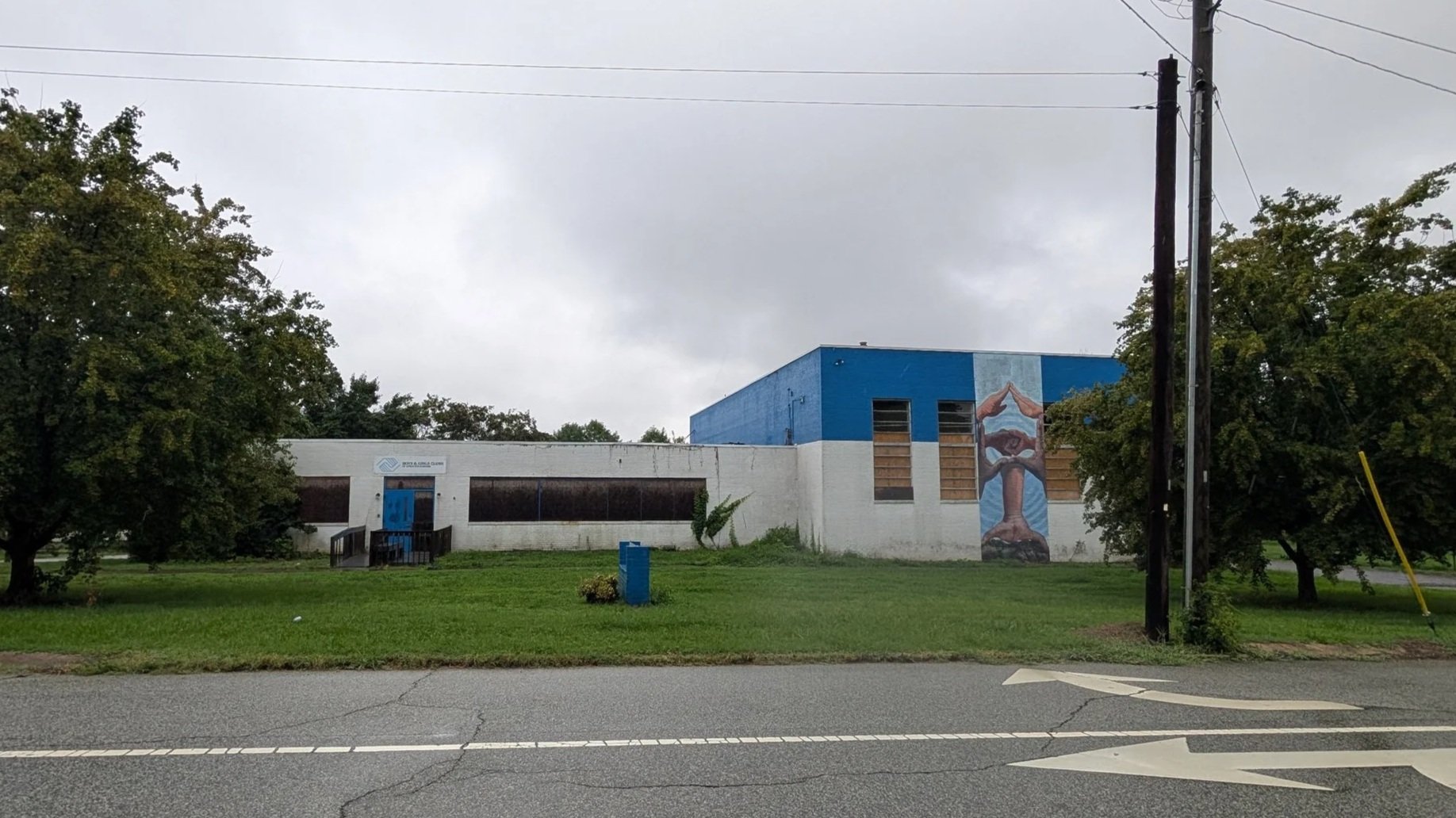
The vacant Boys & Girls Club building as it stands today. (808 E. Pettigrew Street, Durham, NC 27701)