Grant Street Community Featured in The New York Times and Duke Media

Image of Simar shared by Simar Bajaj (@SimarSBajaj) on X. Original photographer unknown.
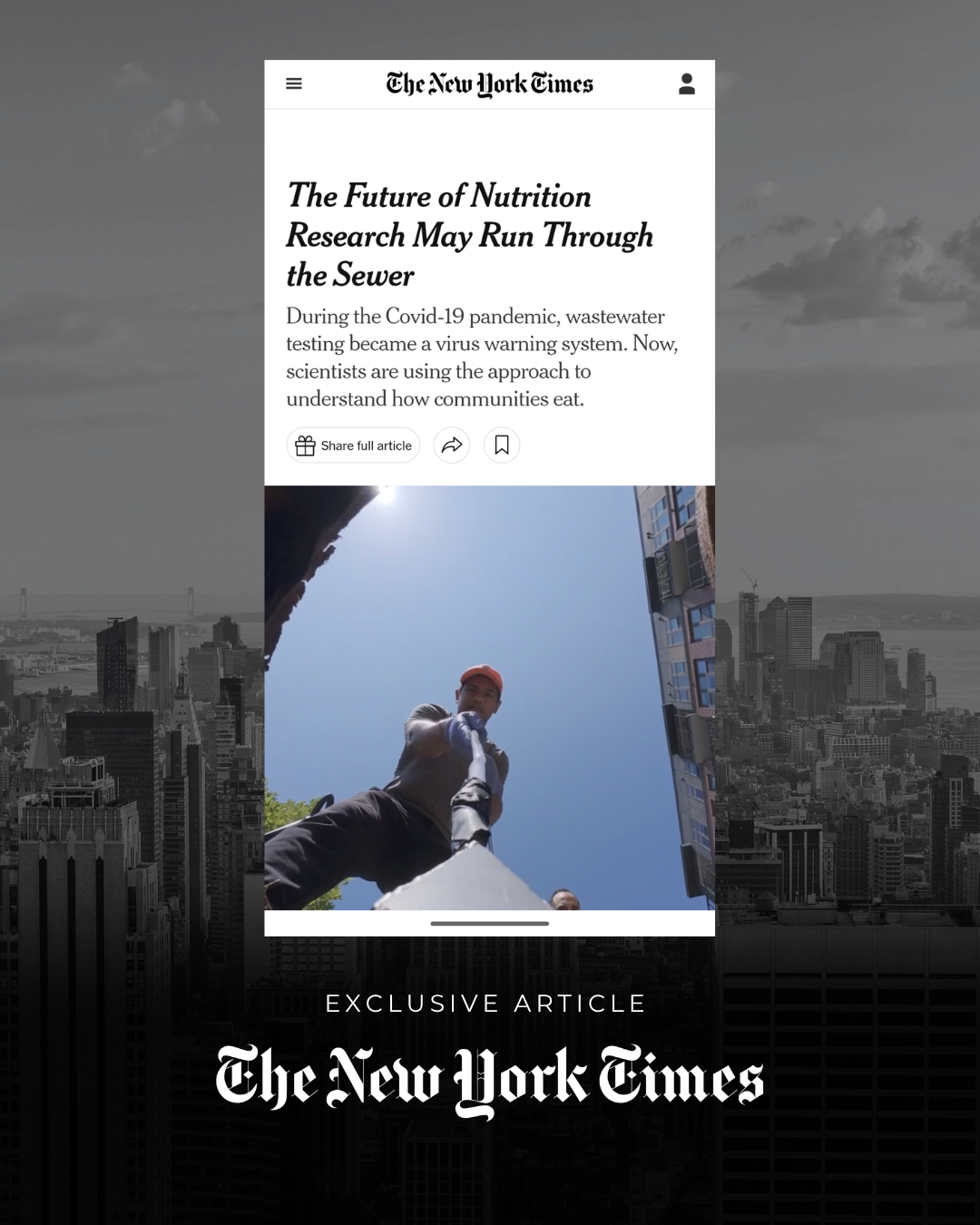
On July 20th at 3:00 PM, a story by journalist Simar Bajaj was published in The New York Times, highlighting research led by Dr. Lawrence David and his team at Duke University. The article explores how wastewater research can help us better understand what communities are eating and how that information can be used to address neighborhood-level challenges.
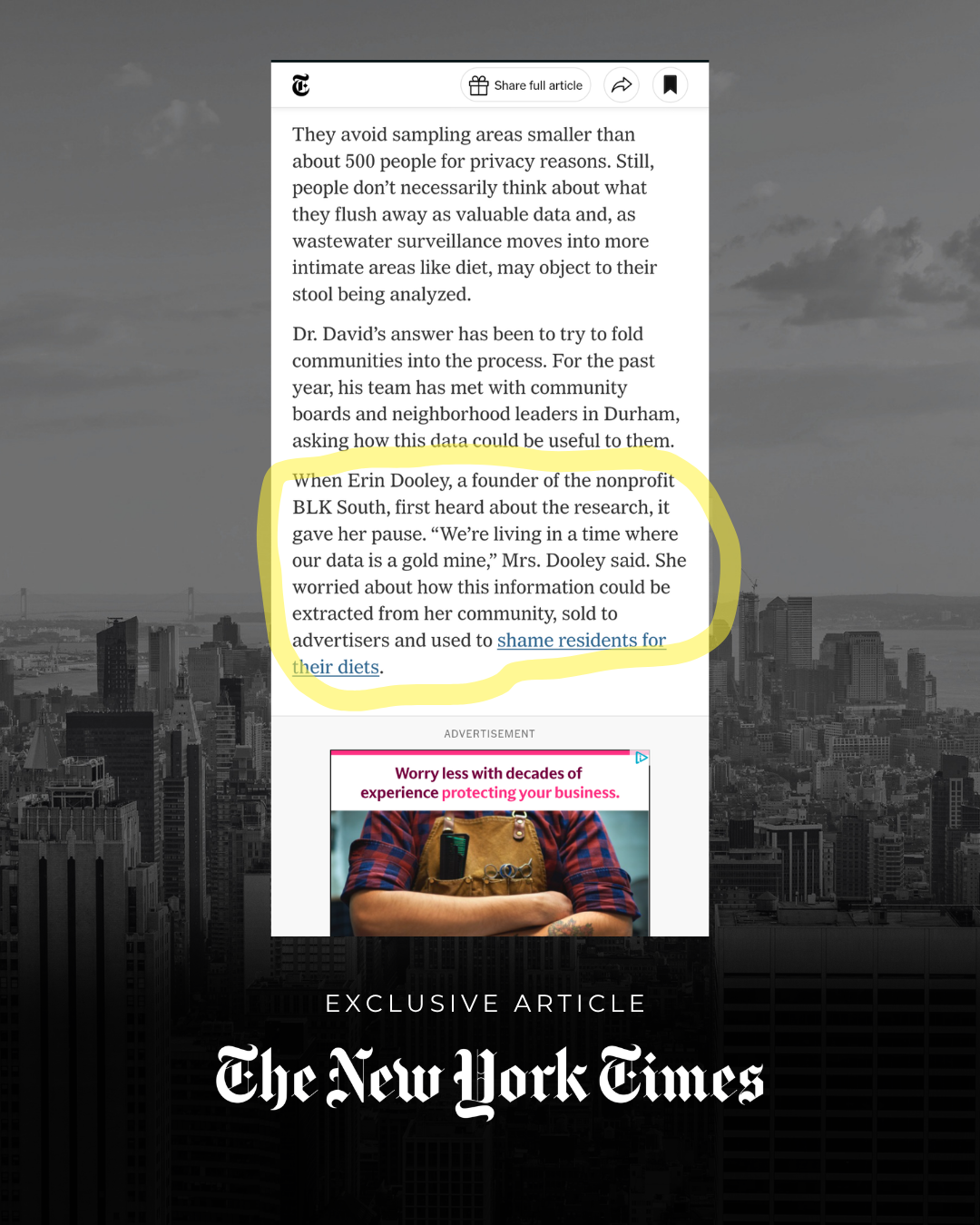
On July 3, Grant Street neighbors Erin and Kendall Dooley were invited by Dr. Lawrence David to sit down with Simar Bajaj, a reporter with The New York Times, to share about the collaborative work taking place among the Grant Street Community, Dr. David's research team, and the Edible Atlas project. Erin and Kendall are the founders of BLK South, which serves as the Grant Street Community's core implementation partner, and they also serve as the Social Justice and Outreach Ministers at Monument of Faith Church. While we don't yet know exactly how the final article will read, we're simply grateful that the story of the Grant Street Community is being shared with a national audience.
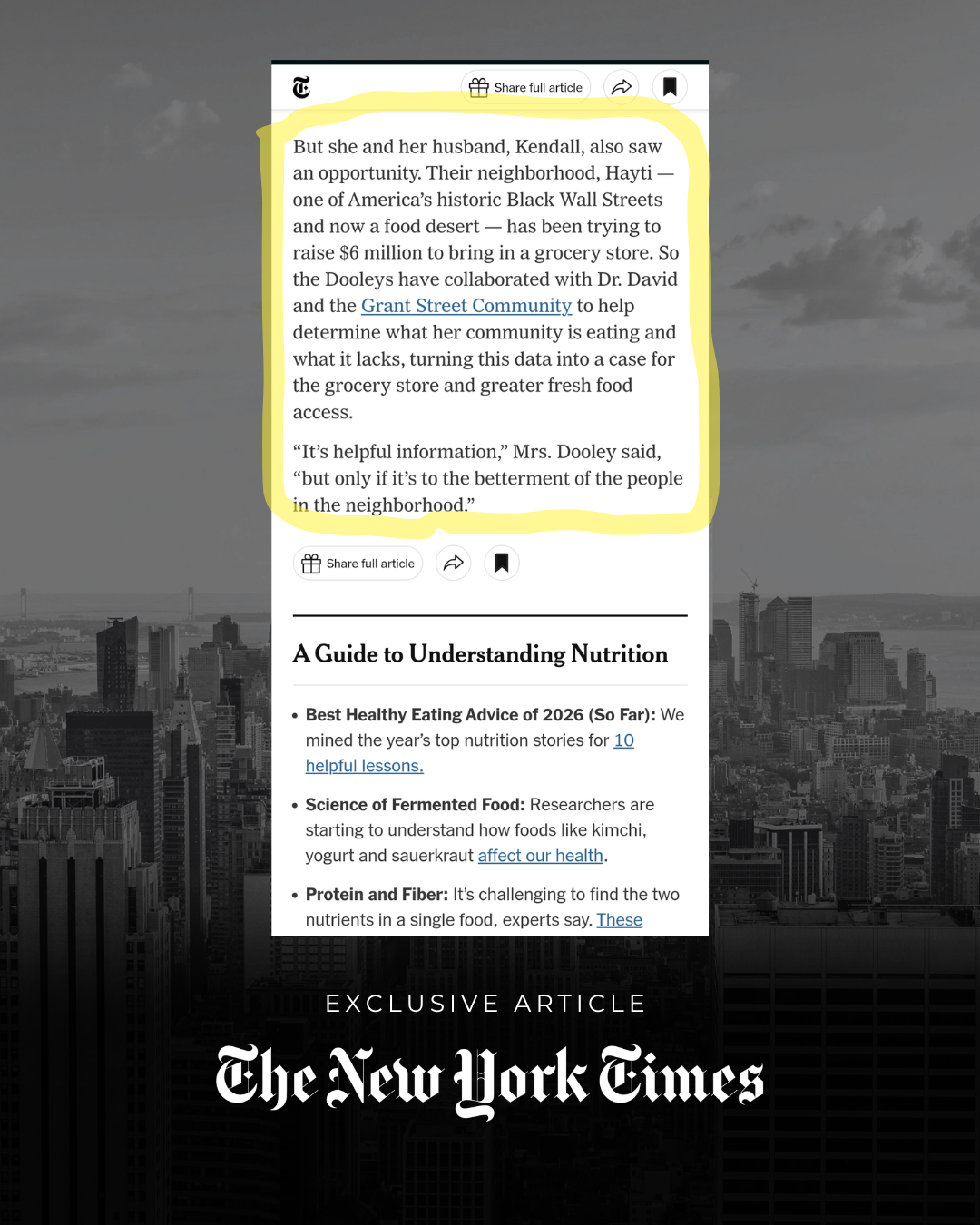
We're excited that our neighborhood—and the vision our neighbors have been building together—is being put on the map. We are especially grateful that the article names the $6 million in funding needed to bring a grocery store back to our community.
During the reporting process, we also spoke with Simar about the importance of accurately representing our neighborhood. While Hayti is one of America's historic Black Wall Streets, we wanted to make sure the article also recognized that this work is happening alongside the Grant Street Community—the neighborhood where these relationships, conversations, and organizing efforts are taking place. We appreciated Simar's willingness to make that adjustment.
We're thankful to Simar for his thoughtful reporting and look forward to reading the article when it is published.
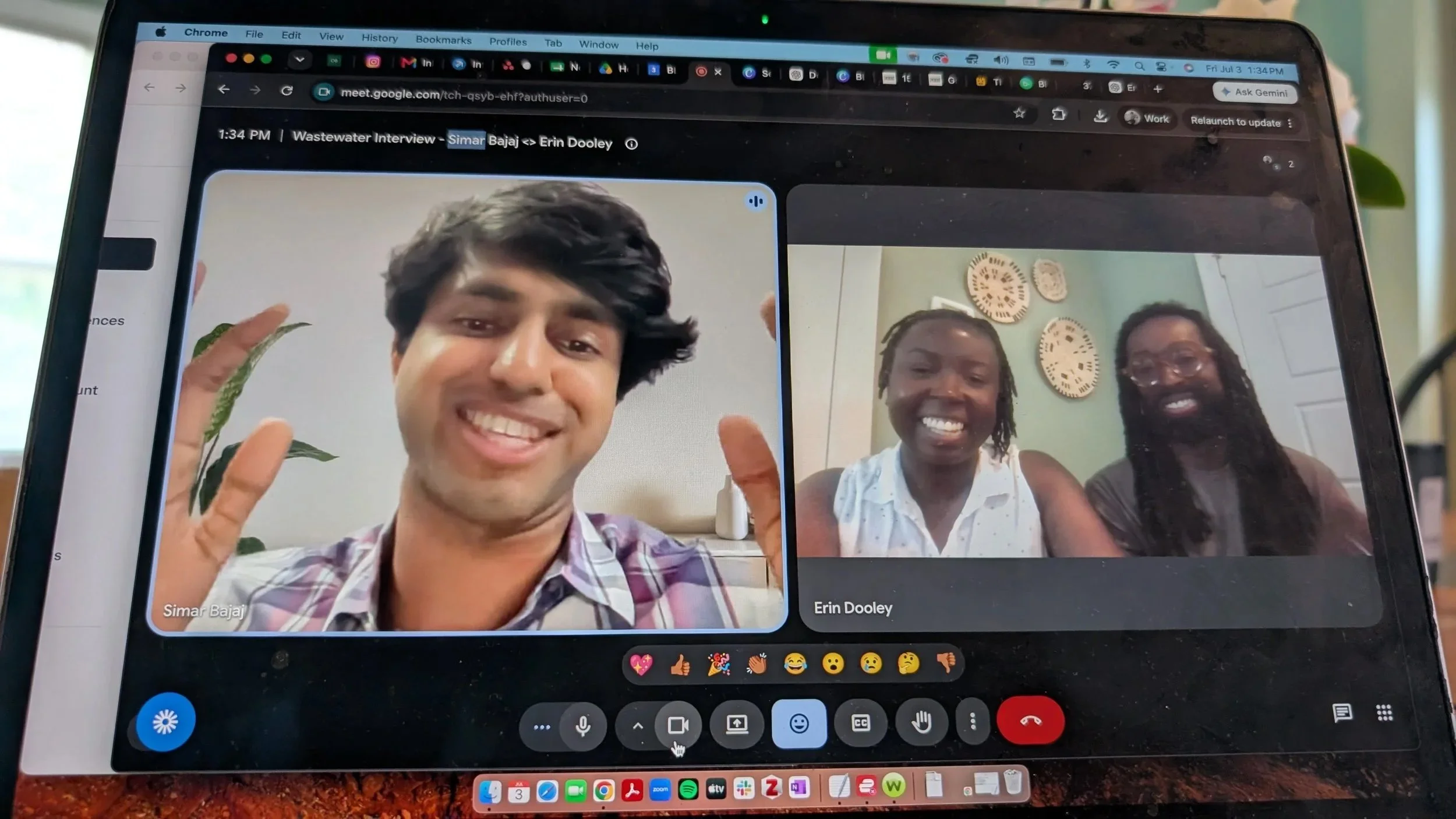
New York Times Journalist, Simar Bajaj, interviewing Grant Street Community residents.
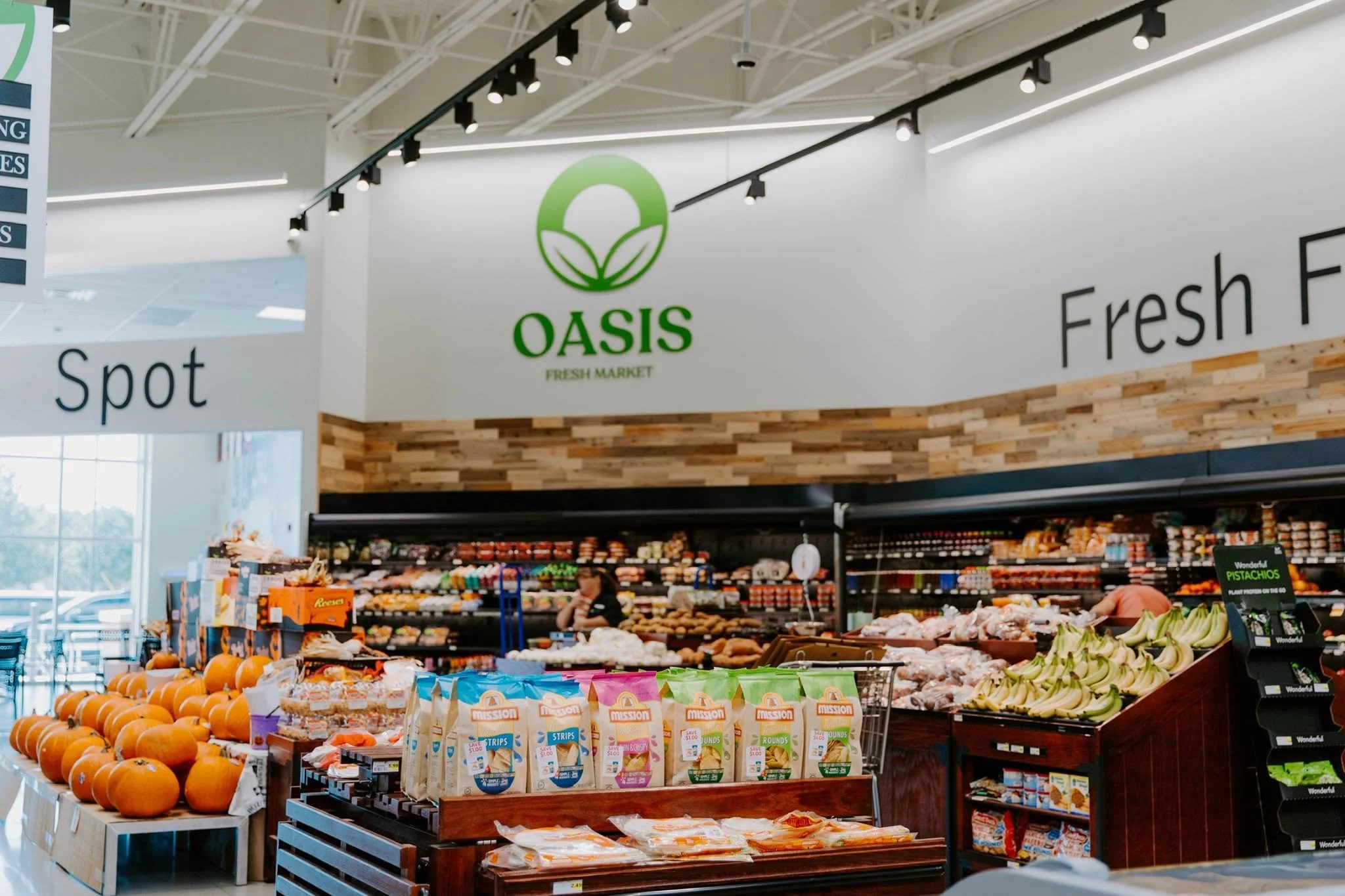
Oasis Fresh Market in Tulsa, Oklahoma. According to Villages of Hayti developer James Montegue, Oasis Fresh Market is the grocery operator he has been in conversation with about locating in the Villages of Hayti development. Photo credit: Oasis Fresh Market (via Facebook).
Why $6 Million?
If you've been following our neighborhood updates, you may remember that James Montegue, the developer for the Villages of Hayti project, recently shared with us that $3 million is still needed to complete the interior build-out of the grocery store itself.
As a neighborhood, however, our vision has grown beyond simply opening the doors to a grocery store.
We were originally told there was a $6 million funding gap, so our goal remains to raise $6 million because we believe lasting food security requires more than simply building a grocery store. The additional funding would allow us to build sustainable partnerships and invest in the long-term health of our neighborhood through initiatives such as:
Strengthening relationships with Black farmers and expanding the capacity of local food producers in Durham.
Supporting community-led food education, nutrition, and wellness programming.
Developing long-term systems and research infrastructure that make healthy, affordable food more accessible.
Building neighborhood partnerships that help ensure the grocery store remains community-centered and community-informed for generations to come.
A grocery store is the beginning—not the finish line. We want to build an ecosystem of food access, education, economic opportunity, and community ownership that can serve Grant Street and the surrounding neighborhood for decades.
Research Is Only the Beginning. What's Next?
Research is valuable. It can provide evidence, strengthen grant applications, and help tell the story of what neighborhoods have known for years.
But research alone doesn't build grocery stores.
As neighbors, we already know what many families experience every day: limited access to fresh, affordable food. If research confirms what residents have been saying for decades, then our hope is that it also leads to meaningful investment and lasting change.
Earlier this year, Duke University announced the Duke HomeGrown initiative, committing $203 million over three years toward housing, economic development, and community investment throughout Durham and the Triangle.
As a neighborhood, we would love to see Duke invest a portion of those resources toward helping make this grocery store vision a reality. We believe this project aligns with the kind of community investment Duke has publicly committed to supporting.
Research is important. But partnerships that help solve the challenges identified by that research are even more impactful.
Our neighborhood is actively trying to connect with foundations, philanthropists, individual donors, and mission-aligned investors who may want to help make this vision a reality. Community leaders and partners are also continuing conversations with the City of Durham and other public institutions about opportunities to invest in this effort.
We welcome partnerships from organizations, institutions, businesses, and individuals who share our commitment to expanding healthy food access and building a stronger, more resilient neighborhood. Together, we believe we can move beyond identifying the problem and begin creating lasting solutions.

A Conversation with Duke Media
On Friday, we also had the opportunity to speak with Shantell M. Kirkendoll, Senior Science Writer and Managing Editor with Duke University School of Medicine's Office of Strategic Communications, about the partnership between our neighborhood, Dr. David's lab, and the Edible Lab research.
One comment from our conversation particularly stood out. Shantell shared that she wants to make sure Duke understands that this story is "not all about them" and that it is also about Duke engaging neighborhoods on a local level. While we appreciated hearing that, we also recognize the systemic temptation large institutions like Duke often succumb to by becoming more concerned with public perception than with participating in the actual on-the-ground work. We see this national news coverage as an invitation for Duke to further participate in the real work, and we look forward to seeing how Duke tells this story.
We are grateful to our neighbors, community leaders, researchers, students, and partners who continue to believe that community wisdom and academic research can work hand in hand.
No matter how large or small our role appears in Monday's article and Duke’s media that follows, we are celebrating something much bigger than ourselves: the Grant Street Community's story is reaching a national audience, and the conversation about bringing healthy, affordable food back to our neighborhood is growing.
We look forward to sharing the article with everyone once it is published on Monday.
— The Grant Street Community
