Meeting with Maggie Kane, Founder of A Place at the Table
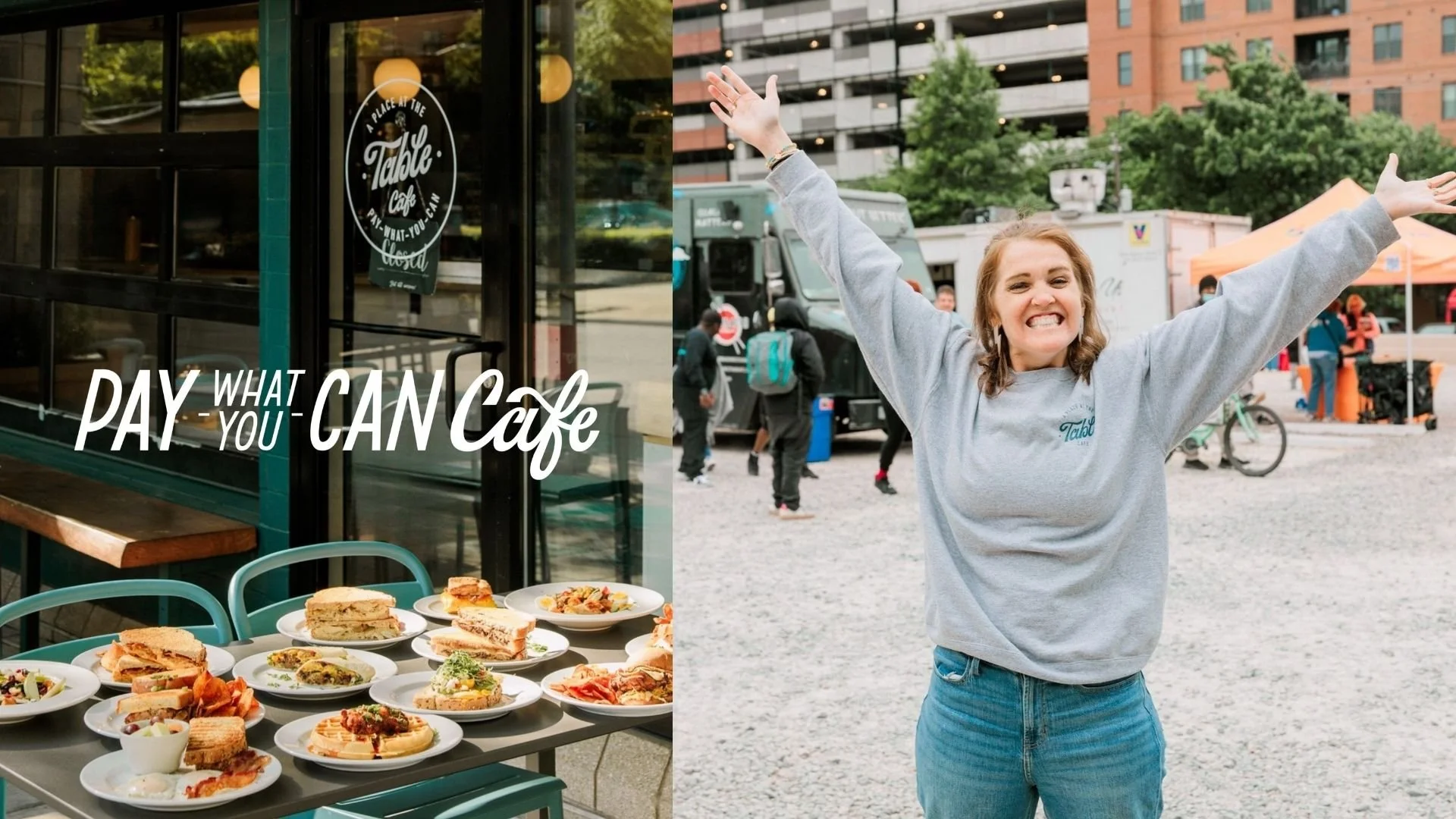
Founder, Maggie Kane, pictured with A Place at the Table — a Pay-What-You-Can-Cafe. Photo credit: @tableraleigh
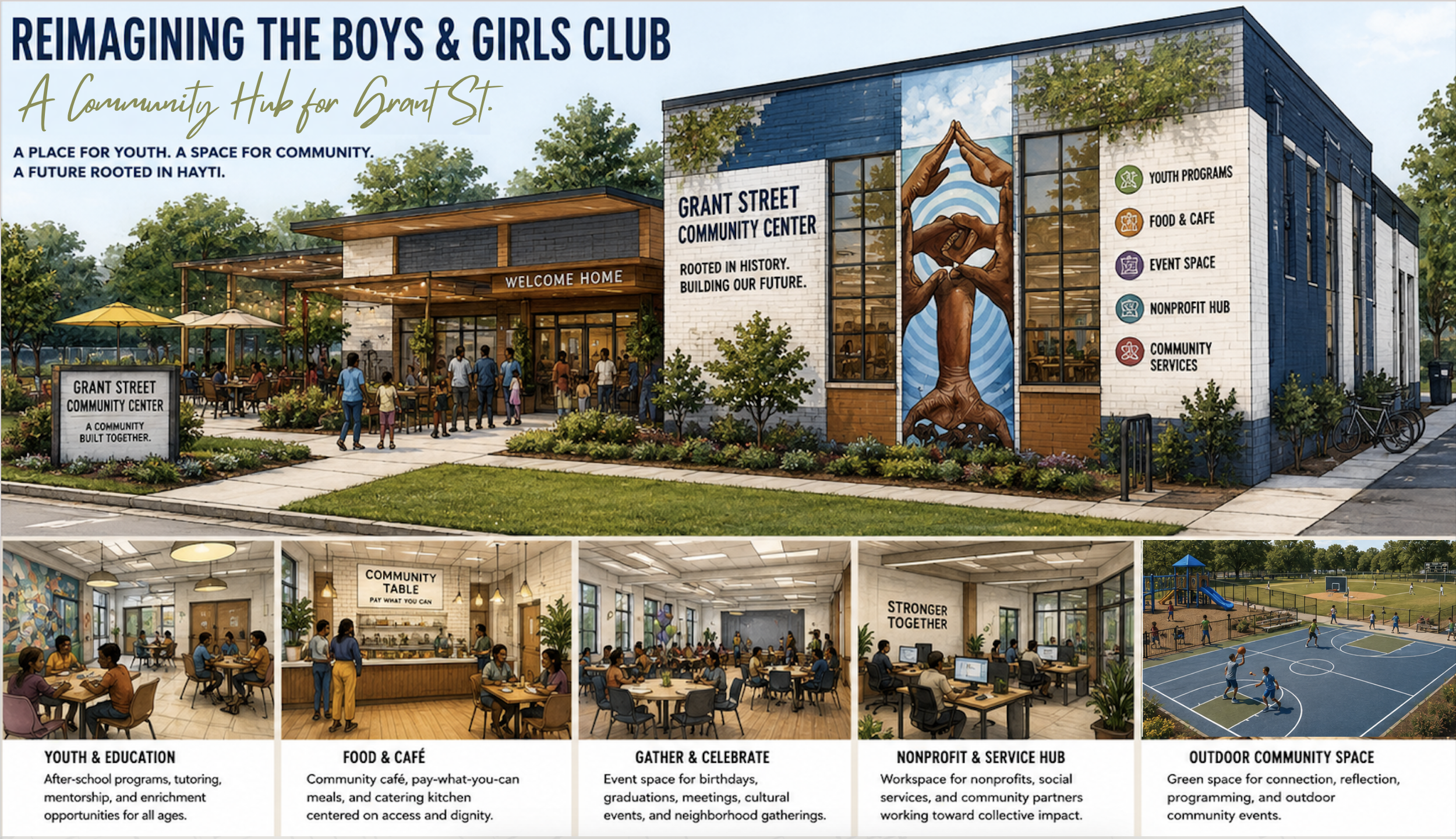
Following the Grant Street Community listening session on Saturday, July 25, Kendall and Erin Dooley met with Maggie Kane, founder of A Place at the Table in Raleigh, to explore how a community-centered, pay-what-you-can café model might inform the future of the former Boys & Girls Club property at 808 E. Pettigrew Street.
The timing of this conversation was especially meaningful because neighborhood residents had just voted to prioritize a vision that combines a neighborhood resource center, support for our unhoused neighbors, and food and hospitality. Several neighbors specifically named the pay-what-you-can model as one of the most compelling ideas they wanted us to explore.
What We Learned
Community comes before the building.
Maggie emphasized that A Place at the Table spent nearly four years listening to residents before opening. Community conversations shaped everything—from the menu to the design of the space to the overall mission. Their success, she explained, is rooted in allowing the community to define what the project should become rather than imposing a vision from above.
They fight "community insecurity," not just food insecurity.
While A Place at the Table serves hundreds of meals each day, Maggie explained that their deeper mission is creating a place where people experience dignity, belonging, and authentic relationships. Rather than trying to become every type of social service, they intentionally focus on what they do best—food and community—while connecting guests with trusted partners for housing, healthcare, clothing, and other resources.
Dignity is built into the model.
Customers can:
Pay the suggested price.
Pay more to help cover someone else's meal.
Pay a minimum amount for a full meal.
Volunteer in exchange for a meal.
Receive meal cards distributed through partner organizations.
Importantly, volunteers are treated the same regardless of whether they are volunteering for a meal or simply serving the community, helping remove stigma and preserve dignity.
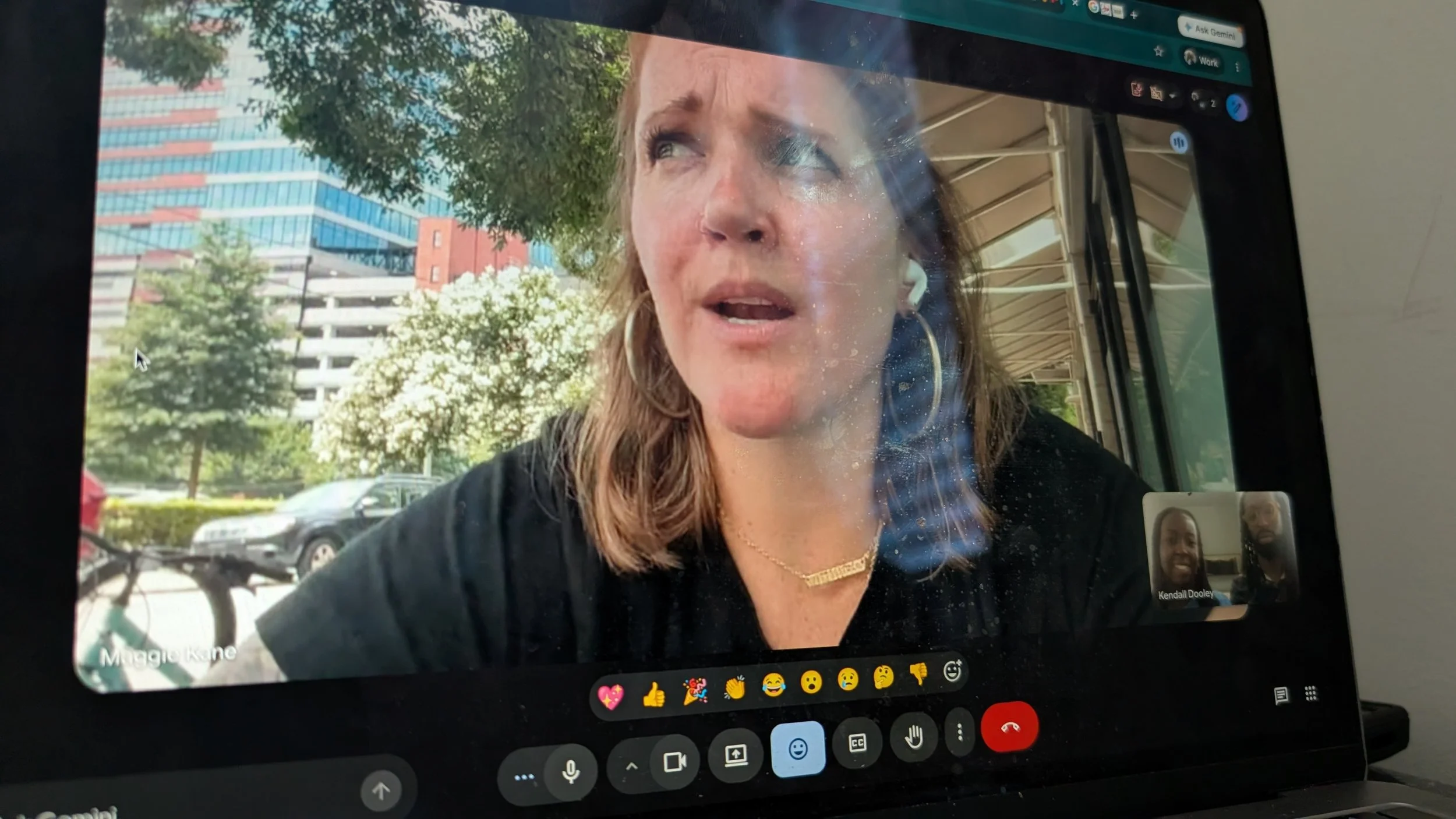
Erin and Kendall Dooley from Grant Street Community speaking with Maggie Kane. - July 29, 2026
Hospitality requires intentional staffing.
One of the most surprising lessons was that meaningful hospitality requires investment in people. A Place at the Table has grown from six staff members to around thirty because creating consistency, relationships, and dignity requires more than volunteers alone. They intentionally hire people who believe in the mission first and train them in restaurant operations second. The organization also created positions like Community Manager and Community Ambassador to build relationships, de-escalate conflict, and care for guests in healthy ways.
The model is financially possible—but only with community support.
Maggie was transparent that a pay-what-you-can restaurant is not self-sustaining through food sales alone. Their organization combines restaurant income, catering revenue, monthly donors, corporate partners, fundraising events, and grants to support the work. She stressed repeatedly that this model succeeds because an entire community believes it should exist.
Durham is ready for something like this.
Perhaps the most encouraging part of the conversation was Maggie's repeated affirmation that many people in Durham have already been dreaming about a pay-what-you-can café and community gathering space. She shared that organizations and community leaders have expressed interest for years, and she believes Durham is ready for a model like this.
Strong partnerships will be essential.
Maggie encouraged partnerships with organizations already serving Durham, including Jubilee Home and others working in food systems, entrepreneurship, and neighborhood development. She also pointed to Oak City Cares as an example of how a county-owned building can become a multi-service center serving people experiencing homelessness while remaining financially sustainable through public partnership.
We won't have to start from scratch.
One of the greatest gifts from the conversation was Maggie's offer to share financial models, operating budgets, planning documents, and even a startup toolkit currently being developed for future pay-what-you-can restaurants. She expressed excitement about supporting Grant Street Community as we continue discerning this vision.
As always, this is still very much a community-led discernment process. No decisions have been made, but conversations like these help us learn from organizations that have walked this path before and better understand what it would take to bring the neighborhood's vision to life.
Thank you to everyone who participated in the listening session and continues dreaming alongside us. Your voices are shaping every step of this journey, and we look forward to continuing the conversation together.