A Conversation with Ryan Smith and Sarah Viñas About Unhoused Neighbors and the Former Boys & Girls Club
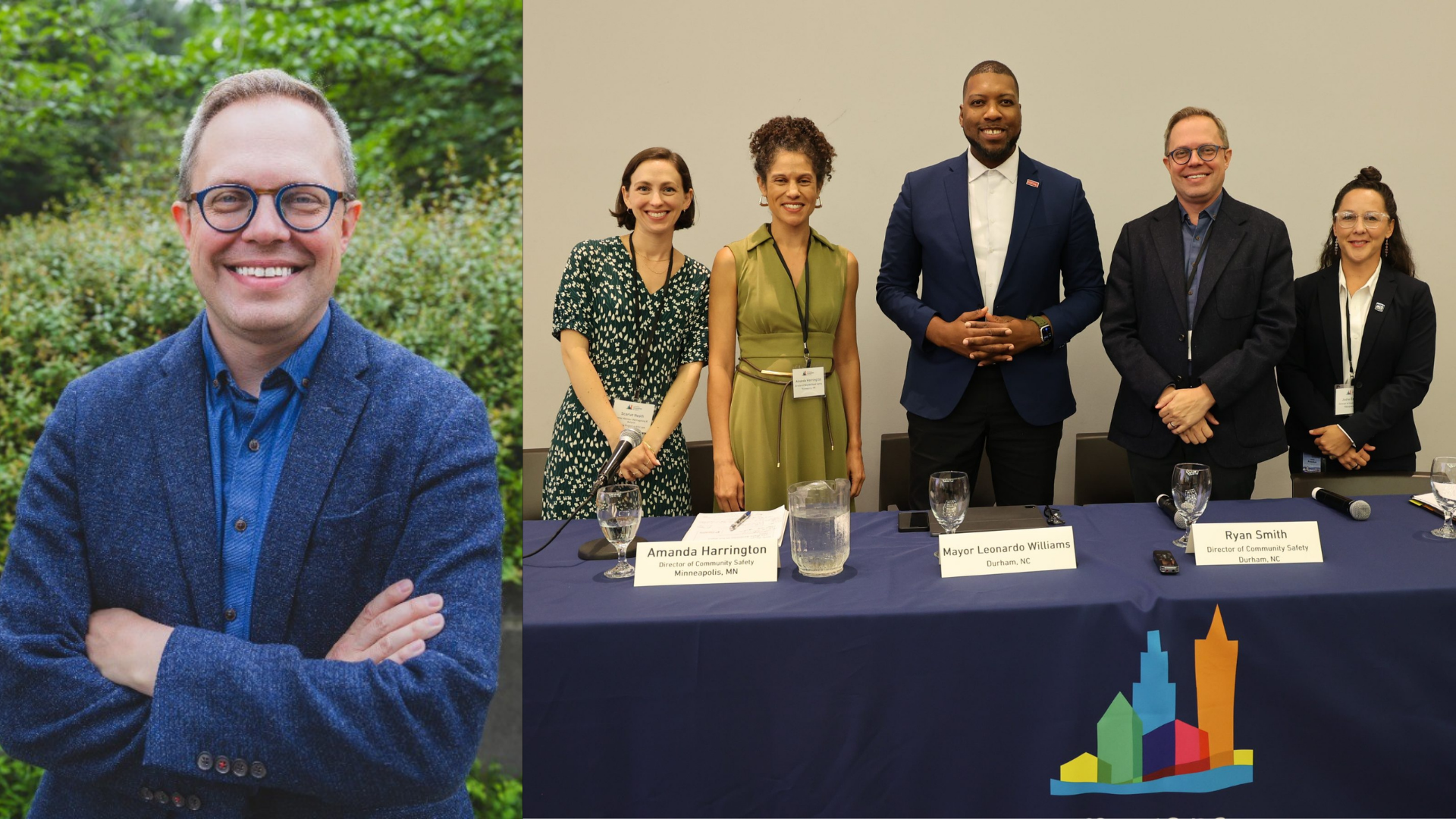
Ryan Smith, Director of Durham’s Community Safety Department
BLK South and Grant Street Community recently met with Ryan Smith, Director of Durham’s Community Safety Department, to discuss the former Boys & Girls Club property near East Pettigrew and Grant Streets. Sarah Viñas, Director of the City’s Housing & Neighborhood Services Department, was scheduled to participate but was unable to attend.
We shared the neighborhood’s emerging vision for transforming the approximately three-acre, County-owned property into a community-centered space. Based on neighborhood listening sessions, possibilities include:
Permanent, dignified housing for neighbors who have experienced homelessness
A resource center offering housing navigation, case management, health care connections, and employment support
A pay-what-you-can café or other food-access initiative
Indoor and outdoor community gathering spaces
Meaningful leadership from people with lived experience of homelessness
This is not yet a finalized development plan. We are waiting for Durham County to clarify the process for the property, including whether there will be a public hearing or formal request for proposals. Haven Design Build has offered early design assistance, and several other partners have expressed interest in supporting the vision.
What We Learned About Durham’s Homelessness Response
Ryan was encouraged that residents, the neighborhood church, and community organizations are developing a shared vision for the property. He affirmed Durham’s need for creative housing options that are deeply affordable, permanent, and connected to supportive services.
At the time of our meeting, Ryan shared that more than 600 people were living unsheltered across Durham and approximately 200 people were waiting for shelter. These numbers help explain why someone may ask for assistance and still remain outdoors: Durham does not currently have enough shelter beds, affordable units, supportive housing, or case-management capacity to meet every need immediately.
The City’s long-term goal is to make homelessness “rare and brief.” Rather than allowing people to remain unhoused for months or years, Durham hopes to eventually help residents return to safe housing within approximately 30 days.
How the Current Process Works
People experiencing homelessness generally enter Durham’s system through Entry Point Durham, formerly known as Coordinated Entry Central.
Staff listen to the person’s situation, assess the barriers preventing them from securing housing, and connect them with available resources. These barriers might include income, identification documents, health needs, disability, rental history, or the need for ongoing support.
The assessment helps Durham prioritize residents and match them with appropriate housing opportunities. Some people may be able to move into a conventional apartment with rental assistance, while others may need permanent supportive housing and more intensive case management.
Entry Point is not itself a housing program and cannot guarantee immediate shelter or housing.
Durham’s Housing Sprints
Ryan also explained that Durham is using “housing sprints” to help groups of residents move through the housing process more quickly.
During each approximately 45-day sprint, staff help residents obtain documents, locate rental units, complete applications, address landlord requirements, secure rental assistance, and connect with case managers.
Ryan described one sprint serving approximately 60 households, including families and single adults. He also shared that an earlier pilot helped 14 of 15 participating residents move directly from encampments into housing.
Depending on available resources and individual needs, the City may subsidize rent for at least one year and connect participants with housing-stabilization case managers. These case managers help residents pursue benefits, address health and service needs, increase income when possible, and develop longer-term plans for remaining housed.
Ryan acknowledged that Durham cannot presently house every unsheltered resident at once. The City is working to make its prioritization process transparent and equitable while increasing housing and service capacity.
What Comes Next
The meeting did not result in a commitment from the City or County regarding the property, but it established an important connection and identified several next steps.
Grant Street Community and BLK South plan to:
Compile the priorities gathered through neighborhood listening sessions
Seek clarity from Durham County about the property process
Reconnect with Sarah Viñas and Housing & Neighborhood Services
Arrange a follow-up conversation with Ryan, Haven Design Build, and other partners
Continue including people with lived experience of homelessness in the planning
Explore the funding, services, and long-term stewardship needed to make the vision sustainable
We left the meeting encouraged. The road ahead will require time, community participation, and strong partnerships, but there is meaningful alignment around resident-led planning, safe and dignified housing, and compassionate care for our unhoused neighbors.
Residents currently experiencing homelessness can contact Entry Point Durham at 984-287-8313. Entry Point can assess a person’s needs and connect them with available resources, but it cannot guarantee immediate shelter or housing.