A Conversation with The New York Times: When Research Is Done With Community
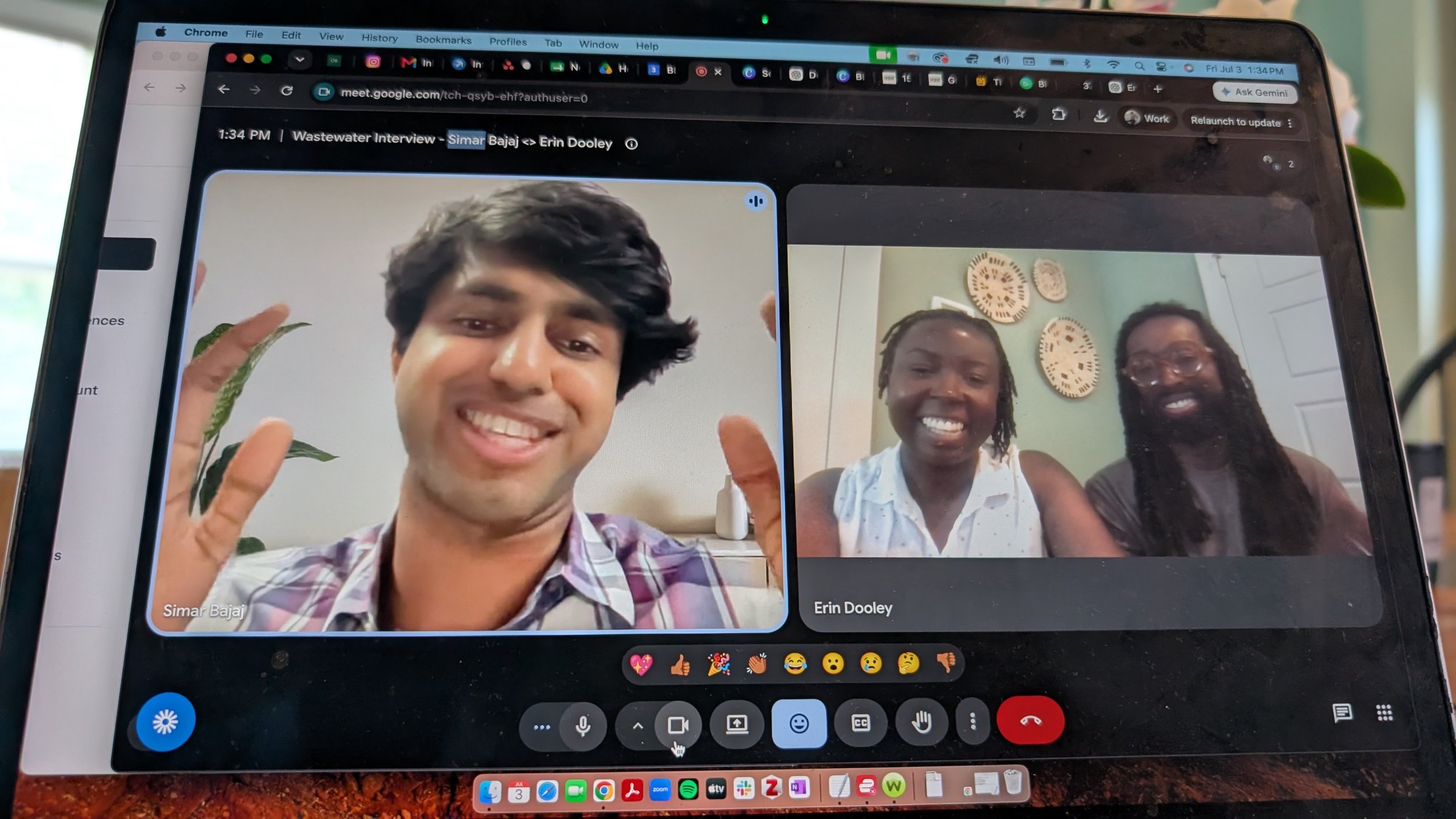
New York Times journalist, Simar Bajaj, interviewing residents and community leaders of Grant Street Community. - July 3, 2026.
On July 3rd, Grant Street Community resident leaders, Erin and Kendall Dooley had the opportunity to be interviewed by Simar Bajaj, a journalist writing for The New York Times, about an exciting partnership developing between the Grant Street Community and Duke University's wastewater research team, led by Professor Lawrence David.
The interview centered on an emerging field of public health research that uses wastewater to better understand community health and dietary patterns. At first glance, that might seem like an unusual topic. But for us, the conversation wasn't really about wastewater.
It was about how research can either exploit a community—or empower one.
One of the ideas we shared during the interview is that neighborhoods like Grant Street are often described as underserved. While there is truth in that, we think another word better captures our history: overexploited.
For generations, historic Black neighborhoods have been places where people have come to extract value. Researchers have gathered information. Organizations have secured grants. Developers have made plans. Stories have been told. Yet too often, the people who actually live in these neighborhoods have seen little benefit from the knowledge, funding, or attention their communities helped create.
When we first learned that researchers were studying wastewater in our neighborhood, we had many of the same questions others might ask. Who is collecting this information? Why? How will it be used? Who benefits? Those are important questions, especially in communities that have experienced generations of disinvestment alongside generations of extraction.
What has made this partnership different is the posture.
From our very first conversations, Professor Lawrence David approached us not simply as residents, but as partners. Rather than asking, "What can we learn from your neighborhood?" he consistently asked, "How can this research help your neighborhood?"
That shift changes everything.
As we've gotten to know Professor David and his team, we've begun imagining ways this research could directly support community priorities. One immediate opportunity is our effort to bring a full-service grocery store to the 21-acre Villages of Hayti development. Our neighborhood has long experienced limited access to healthy, affordable food. If this research can help strengthen grant applications, demonstrate community need, or later measure the impact of new investments, then it becomes more than an academic project—it becomes another tool for community advocacy.
We've also begun dreaming about what could come next.
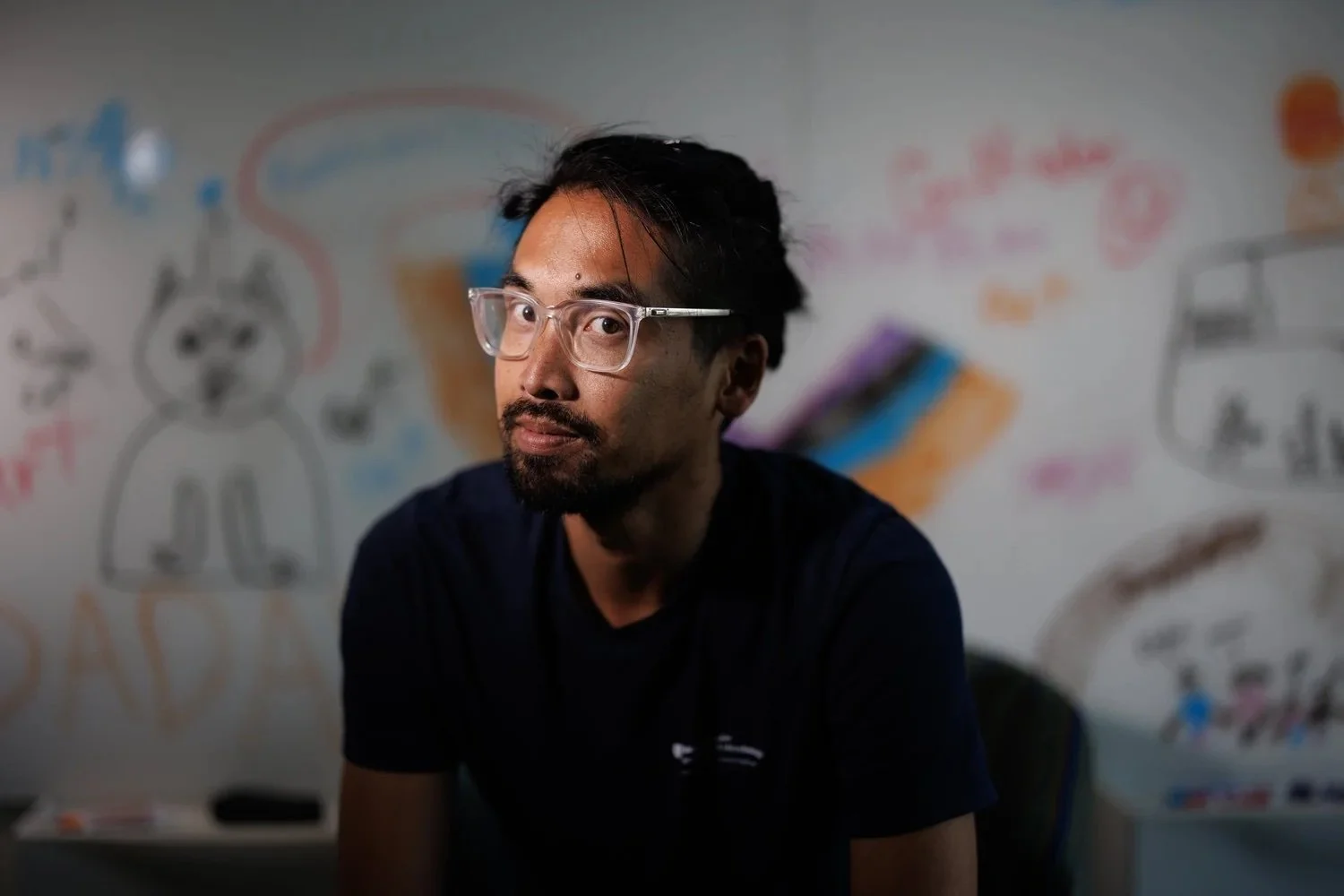
Lawrence David is the Principal investigator of Edible Atlas (the David Lab), as well as the Associate Director of the Duke Microbiome Center and a tenured Associate Professor in Duke University’s Department of Molecular Genetics and Microbiology and the Center for Genomics and Computational Biology. He holds a secondary appointment in Biomedical Engineering at Duke.
Could this research help local organizations better understand what healthy foods are most needed? Could it inform Black farmers and neighborhood food programs? Could it help us evaluate whether a grocery store or community garden is actually improving health outcomes over time? These are the kinds of questions that become possible when research is designed alongside the people it is intended to serve.
None of this removes the importance of privacy or ethical responsibility. Those conversations remain essential. Community data should never become another resource extracted without accountability. Trust must be earned, transparency must remain central, and communities deserve a voice in how information about them is gathered and used.
For us, this partnership represents something hopeful.
It shows what can happen when universities, researchers, and neighborhoods move beyond transactional relationships and begin building genuine partnerships rooted in mutual respect. Knowledge doesn't have to flow in only one direction. Researchers bring scientific expertise. Communities bring lived experience, history, relationships, and wisdom. Together, those forms of knowledge can accomplish far more than either could alone.
We're grateful to Simar Bajaj for taking the time to hear our perspective and for creating space to explore these important questions. We're equally grateful to Professor Lawrence David and his research team for demonstrating what community-engaged research can look like in practice.
Regardless of what appears in the final story, we're thankful that Grant Street Community continues to be recognized not simply as a neighborhood where research happens, but as a neighborhood helping shape how research should happen.
That's a story worth telling.