New Partnerships Support Grocery Store Vision for Villages of Hayti
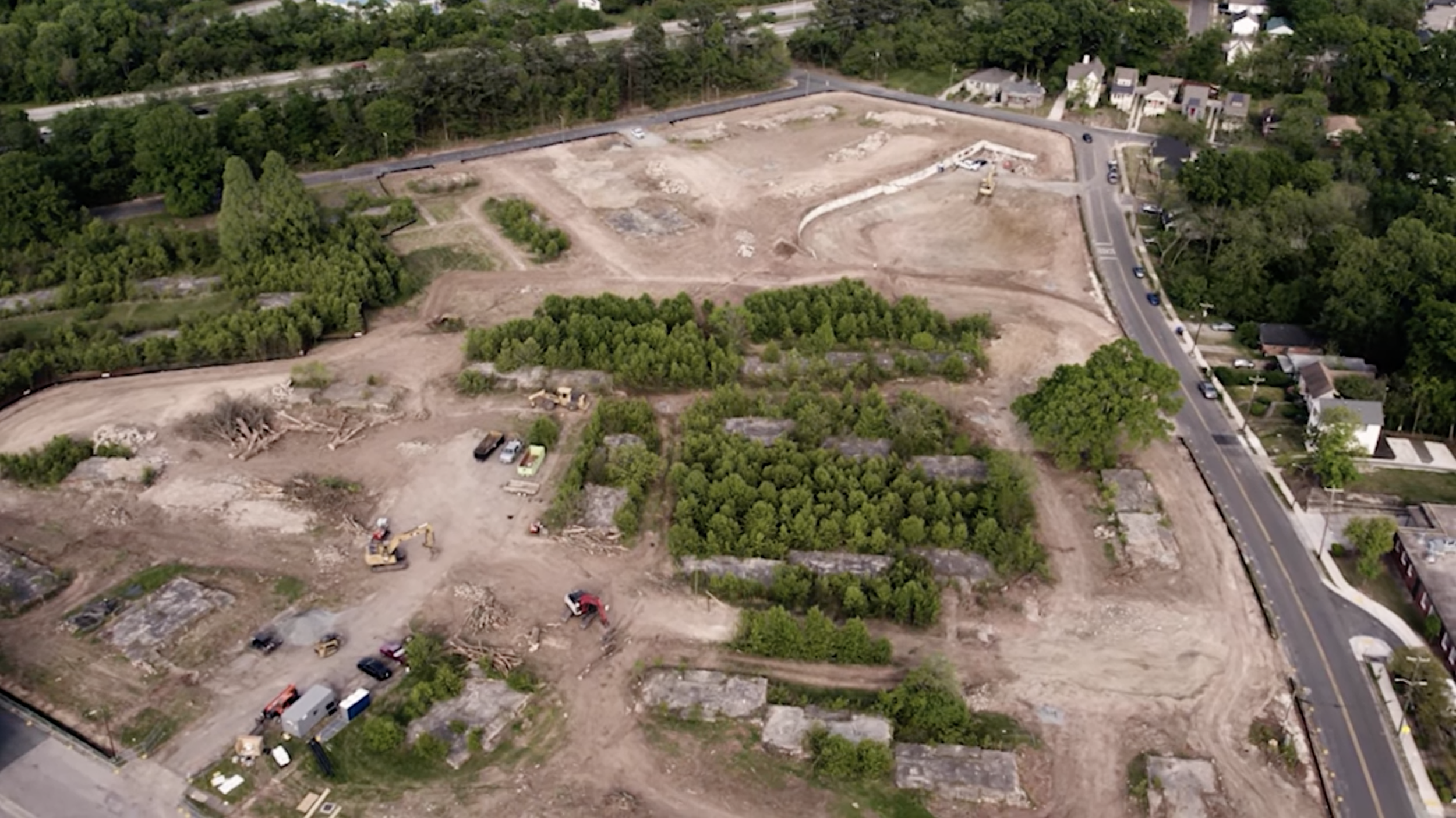
Ariel view of Villages of Hayti from The Grant Street documentary.
On June 2, 2026, members of the Grant Street Community met with researchers from Duke University and leaders from Durham CAN (Durham Congregations, Associations, and Neighborhoods) to explore opportunities for strengthening food access, improving community health, and advancing efforts to bring an affordable grocery store back to the Hayti neighborhood.
The conversation focused on how community organizing, neighborhood leadership, and new research partnerships can work together to support a grocery store that reflects the needs and history of the community.
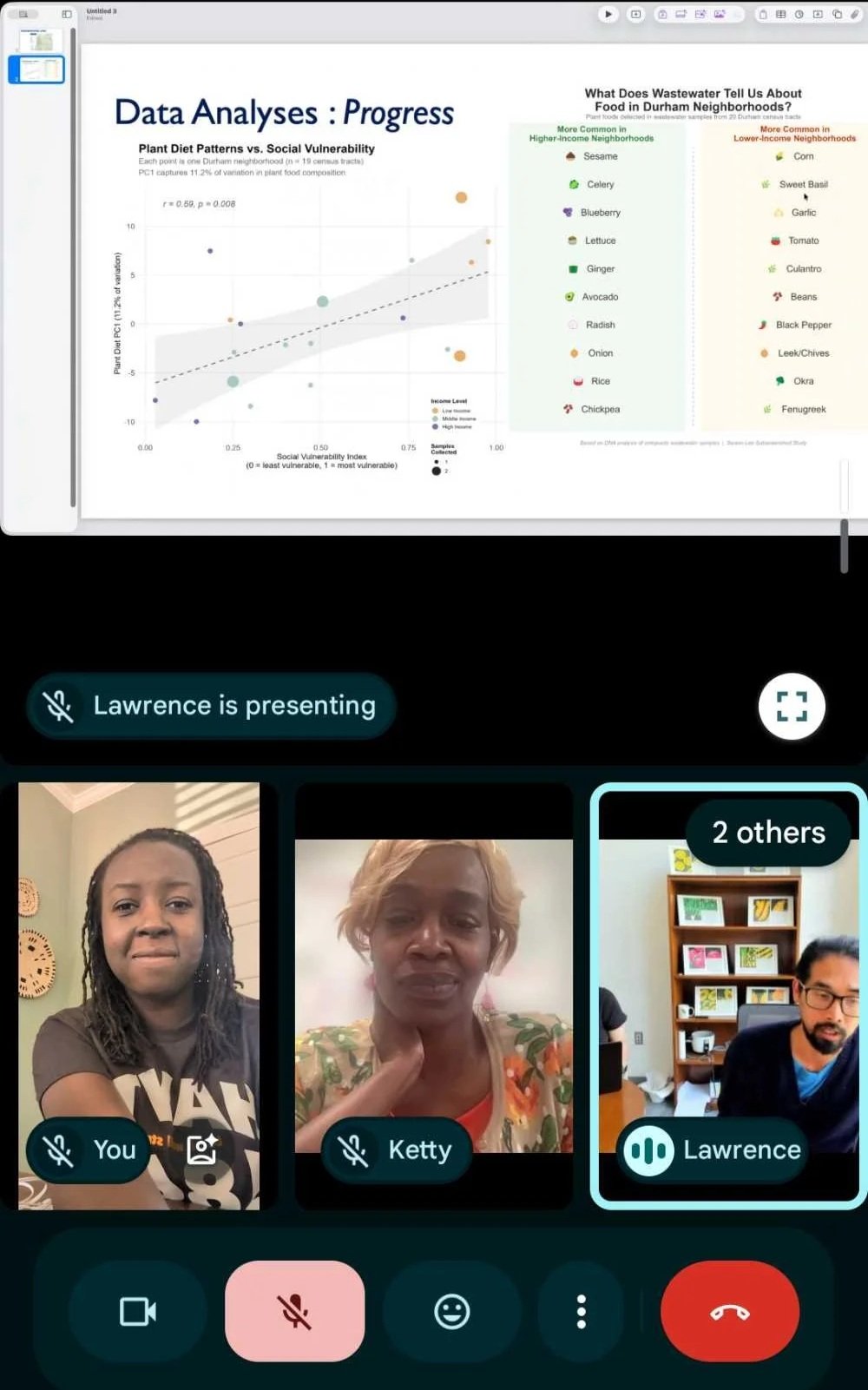
Grocery Store Partnership Meeting - June 2, 2026.
What would it take to bring an affordable, community-centered grocery store back to the Hayti neighborhood?
As many neighbors know, the long-term vision for the Fayette Place redevelopment has always included commercial space that could one day house a grocery store. While significant progress has been made—including the recent ribbon cutting celebration at Fayette Place—there remains an estimated funding gap that must be addressed before a grocery store becomes a reality.
Rather than waiting, community leaders are continuing to organize, build partnerships, and explore creative solutions.
Learning from New Research
One exciting development is a growing partnership with researchers from Duke University who are studying food access and health across Durham.
Their team has begun collecting neighborhood-level data to better understand food patterns throughout the city. Early findings suggest that access to fresh produce varies significantly across income levels. Researchers found that wealthier areas showed higher consumption of items such as lettuce, blueberries, celery, and avocados, while lower-income communities showed stronger patterns around staple ingredients commonly used in home cooking.
While these findings are still preliminary, they reinforce what many residents have known for years:
Access matters.
When healthy, affordable food options are unavailable nearby, families are often forced to make choices based on cost, transportation, and convenience rather than preference.
Building a Grocery Store that Fits the Community
One of the most important themes that emerged from the conversation was that the goal is not simply to bring any grocery store to Hayti.
Neighbors, organizers, and community leaders emphasized the importance of finding a grocery model that:
Is affordable for long-time residents and seniors.
Honors the cultural history of Hayti.
Supports Black farmers and local food producers.
Provides healthy food options without pricing people out.
Serves both long-term residents and newer neighbors.
Creates opportunities for community ownership and participation.
Several ideas were discussed, including partnerships with Black farmers, local food cooperatives, Black Farmers Market vendors, and organizations already working to strengthen Durham's local food system.
Connecting Food and Health
Participants also discussed the connection between food access and overall community well-being.
Affordable access to healthy food impacts far more than nutrition. It influences:
Physical health
Chronic disease prevention
Mental health
Quality of life
Economic stability
Long-term community wellness
As one participant noted, if we want to improve outcomes in our neighborhoods, we must pay attention to what people have access to put in their bodies every day.
What's Next?
Several next steps emerged from the meeting:
Continue conversations with Duke researchers about how data can support grocery store advocacy efforts.
Explore funding opportunities and potential grant partnerships.
Connect with Black Farmers Market leaders and local food organizations.
Meet with additional stakeholders and potential funding partners.
Develop tools and maps that help neighbors locate affordable food resources, community gardens, farmers markets, and community food programs.
Continue advocating for the grocery store commitment connected to the Fayette Place redevelopment.
Moving Forward Together
The Grant Street Community believes that neighborhood residents should help shape the future of the places they call home.
Bringing affordable food access back to Hayti is about more than groceries. It is about dignity, health, community ownership, and ensuring that longtime residents can continue to thrive in the neighborhood they helped build.
We are grateful to Durham CAN, Duke University researchers, Monument of Faith Church, and all of our neighbors and partners who continue to imagine what is possible and work together to make it real.
Stay tuned for future updates as this work continues.
Meeting Date: June 2, 2026
Participants: Representatives from the Grant Street Community, Durham CAN, Duke University researchers, and community partners working to improve food access and neighborhood well-being.